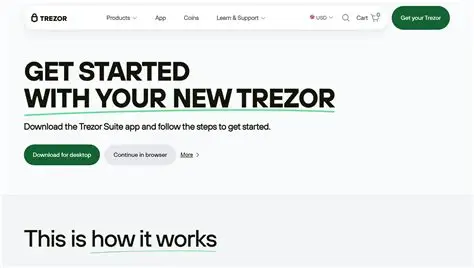
Getting Started With Your Trezor Device: A Complete Beginner’s Guide
Setting up a hardware wallet for the first time can feel intimidating, especially if you are new to the world of digital assets. This guide is designed to walk you through the essential steps, concepts, and best practices you need to know when setting up a Trezor device for secure cryptocurrency management. Whether you have purchased your first hardware wallet or are transitioning from a software-based solution, understanding the setup process empowers you to take control of your digital assets with greater confidence.
A Trezor device is built to provide a secure and offline method of storing private keys. Unlike software wallets, which reside on connected devices, a hardware wallet isolates your critical information, protecting you from common online threats. The setup process ensures that you generate and store your credentials in a safe environment, making it crucial to follow each step carefully and thoughtfully. This guide focuses on clarity, safety, and ease of use so you can begin with a solid foundation.
To start, it’s important to understand what you receive when you unbox your device. Inside the package, you will typically find the hardware wallet, a USB cable, a quick-start card, and recovery seed cards. Always make sure your device packaging looks intact and has not been tampered with before proceeding. Hardware wallets rely heavily on physical integrity, so a compromised device could put your funds at risk. Once you confirm everything looks secure, you’re ready to move toward the initial setup.
The setup process begins by powering on your device and connecting it to your computer using the provided cable. When your device first boots up, it will guide you through essential preparation steps. At this stage, you will also be prompted to install or open the necessary companion application on your computer. This application enables you to manage your wallet, update firmware, and interact with different cryptocurrencies. Following the on-screen instructions ensures your device operates with the most recent improvements and security enhancements.
One of the most important moments during setup is the creation of your recovery seed. This seed is a series of words that serves as the master key to your device. Anyone who obtains this seed can access your funds, which makes its protection absolutely critical. You will be instructed to write the seed down carefully, using the provided recovery cards or another secure offline medium. Never store this seed on your phone, computer, or any cloud service. The seed must remain offline to maintain its protective purpose. Take your time during this step and double-check that every word is written correctly and in the proper order.
After safely recording your recovery seed, you will proceed with the device initialization. During this stage, you establish a PIN to prevent unauthorized access. Choosing a strong PIN helps protect the device physically, ensuring that even if someone gets hold of it, they cannot use it without your authorization. Make sure your PIN is memorable to you but difficult for others to guess. Avoid simple combinations or patterns that could be easily deduced. A strong PIN adds an essential layer of security to your device.
Once your PIN is set, your device will finalize the configuration and prepare your wallet for use. The companion software will then guide you through connecting your device to your digital asset accounts. From this point onward, your hardware wallet becomes the secure gateway through which you authorize transactions. The benefit of this system is that your private keys never leave your device, greatly reducing exposure to malicious software or network vulnerabilities.
Managing assets through a hardware wallet involves learning how to receive and send cryptocurrency with confidence. When receiving assets, you use your device to verify the address displayed on your computer screen. This verification step ensures that no malware has altered your address. Once you confirm the address, you can safely share it for receiving funds. When sending assets, the device requires you to review and confirm transaction details directly on its screen, guaranteeing that you maintain full control of the process.
As you become familiar with your device, it is essential to develop good security habits. Keep your recovery seed stored in a secure, discreet place that is protected from fire, water, or loss. Some users choose to store copies in multiple secure locations, but always ensure that each copy is physically safe and hidden. Refrain from sharing the seed with anyone, and avoid digital backups entirely. Your seed is the ultimate failsafe for accessing your assets, and its protection should always remain a top priority.
Firmware updates are another part of maintaining a secure device. From time to time, you will be prompted to update the firmware through the companion software. These updates may include improved features, enhanced performance, or additional security measures. Before updating, always ensure you are using a trusted computer and a secure connection. Although updates are routine, they should always be handled with the same care you give to other sensitive steps in the setup process.
Another important aspect of using your device is understanding how to recover your wallet if necessary. If your device becomes lost or damaged, you can restore access to your funds using your recovery seed. This process should only be performed on a trusted device and in a secure environment. The restoration reenables your ability to manage your assets, but it reinforces why safeguarding your seed is so vital. Without it, the wallet cannot be recovered.
As you continue to use your hardware wallet, you may choose to manage multiple assets or accounts. The companion software provides an organized interface to help you keep track of your holdings. Always verify addresses and transaction details on the device’s screen, and avoid rushing through steps. Careful interaction reduces the risk of mistakes and protects your assets from avoidable errors.
A hardware wallet is one of the safest ways to store cryptocurrency, but it must be used responsibly. Staying aware of phishing attempts, fake software, or unofficial updates is crucial. Always ensure that you interact with trusted sources and verify instructions directly on your device's screen. Awareness and caution are powerful tools that complement the physical security of your device.
In conclusion, setting up a Trezor device is a straightforward process that rewards careful attention. The combination of offline key storage, secure PIN access, recovery seed protection, and transaction verification provides a robust foundation for safeguarding your digital assets. By following best practices and maintaining strong security habits, you equip yourself with a reliable and trustworthy method for managing cryptocurrencies. This guide aims to give you a clear and comprehensive understanding of the setup process so you can approach your hardware wallet with assurance and peace of mind.